


Explore
Alexandria, Egypt: Discover the Mediterranean Soul of Egypt
Where ancient history meets the sparkling Mediterranean Sea, Alexandria invites you to discover a different side of Egypt—one filled with coastal beauty, fascinating heritage, charming cafés, and unforgettable seaside experiences.
Imagine walking along a sunlit waterfront, watching fishing boats drift across the Mediterranean, exploring the remains of an ancient civilization, and enjoying fresh seafood as waves break against the shore. This is Alexandria, one of Egypt’s most captivating cities and a destination that blends history, culture, and coastal charm in a way few places can match.
Founded by Alexander the Great in 331 BC, Alexandria became one of the most influential intellectual and cultural centers of the ancient world. Today, it remains a city of contrasts: historic neighborhoods stand beside modern buildings, traditional markets coexist with contemporary cafés, and centuries of history unfold along one of the Mediterranean’s most recognizable coastlines.
Whether you are planning a cultural getaway, a romantic escape, or a relaxing seaside holiday, Alexandria offers plenty of reasons to explore.
1. Explore the Legendary Bibliotheca Alexandrina
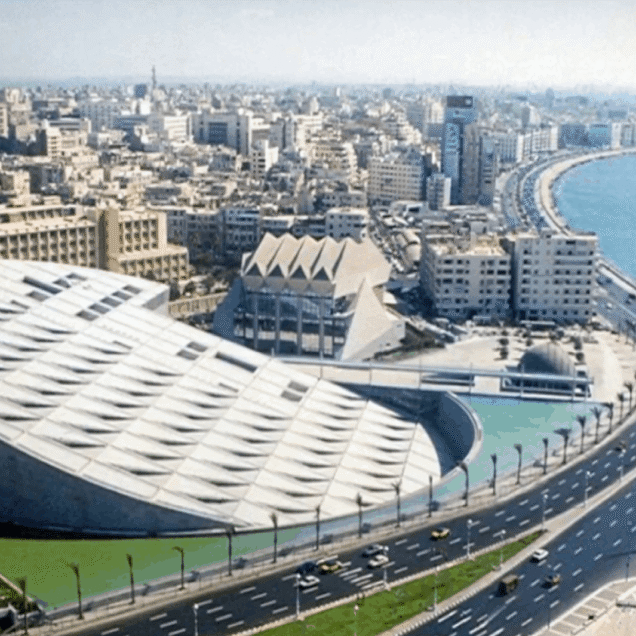
Few places capture Alexandria’s intellectual heritage better than the Bibliotheca Alexandrina.
Inspired by the ancient Library of Alexandria, one of the most celebrated centers of learning in antiquity, this remarkable modern library opened in 2002. Its distinctive circular architecture and enormous sloping roof make it one of the city’s most recognizable landmarks.
Inside, visitors can discover extensive library collections, museums, art exhibitions, and cultural spaces. The complex celebrates knowledge, creativity, and the exchange of ideas across civilizations.
Even if you are not a passionate reader, the architecture alone makes this attraction worth visiting.
2. Discover the Historic Citadel of Qaitbay
<escape></escape>
Standing proudly on the Mediterranean shoreline, the Citadel of Qaitbay is one of Alexandria’s most impressive historic landmarks.
Built in the 15th century by Sultan Qaitbay, the fortress occupies the site traditionally associated with the ancient Lighthouse of Alexandria, one of the Seven Wonders of the Ancient World.
Walk through its stone corridors, explore its defensive architecture, and enjoy panoramic views of the sea from its walls. The combination of historic stonework, crashing waves, and open horizons makes it a favorite destination for photographers and history enthusiasts.
Visit in the late afternoon for beautiful coastal light and a memorable view of Alexandria’s waterfront.
3. Walk Along the Famous Corniche
The Alexandria Corniche stretches along the Mediterranean, offering some of the city’s most enjoyable seaside scenery.
Take a leisurely walk beside the water, stop at a local café, watch the fishing boats, or simply enjoy the sea breeze. The waterfront becomes especially atmospheric around sunset, when the sky changes color and the city begins to glow with evening lights.
The Corniche is not just a tourist attraction; it is part of everyday Alexandrian life. You will see families enjoying the evening, friends gathering by the sea, and residents taking a break from the city’s busy streets.
For a simple but authentic experience, find a comfortable spot overlooking the Mediterranean and let the city reveal itself at its own pace.
4. Visit the Royal Montaza Gardens
If you are looking for greenery, beautiful sea views, and a peaceful escape from the city, Montaza Gardens is an excellent choice.
Located in eastern Alexandria, this expansive coastal estate features landscaped gardens, palm trees, walking paths, and views of the Mediterranean. The surrounding palace complex reflects the city’s royal history and adds a distinctive character to the area.
Spend a few hours wandering through the grounds, taking photographs, or enjoying the refreshing atmosphere near the water.
Montaza is particularly appealing to couples, families, and travelers who want to combine sightseeing with a relaxed outdoor experience.
5. Explore the Catacombs of Kom El Shoqafa
Beneath the streets of Alexandria lies one of Egypt’s most fascinating archaeological discoveries: the Catacombs of Kom El Shoqafa.
Dating largely to the Roman period, these underground tombs reveal a remarkable blend of Egyptian, Greek, and Roman artistic traditions. Their carved decorations, burial chambers, and unusual architectural details provide insight into Alexandria’s multicultural past.
Descending into the complex feels like entering another world, where different civilizations meet through art, architecture, and funerary traditions.
If you enjoy archaeology and lesser-known historical attractions, this site deserves a place on your itinerary.
6. Discover Pompey’s Pillar and the Ancient City
Pompey’s Pillar is one of Alexandria’s most prominent surviving ancient monuments. This impressive granite column dates to the Roman period and stands within an archaeological area that offers a glimpse into the city’s ancient landscape.
Despite its name, the column is not associated with the Roman general Pompey. It is generally identified with a dedication to Emperor Diocletian.
The surrounding archaeological remains make the visit particularly worthwhile for travelers interested in understanding how Alexandria evolved under different rulers and civilizations.
Combine this stop with the Catacombs of Kom El Shoqafa for a rewarding historical excursion.
7. Taste Alexandria’s Famous Seafood
A trip to Alexandria would not be complete without sampling its seafood.
The city’s Mediterranean location has shaped its food culture, and seafood restaurants are an essential part of the local experience. Depending on the season and restaurant, you may find grilled fish, shrimp, calamari, seafood rice, and freshly prepared daily catches.
For a more traditional Egyptian meal, try local specialties such as Alexandrian liver, known for its bold seasoning, or enjoy classic Egyptian dishes alongside your seafood.
Choose a reputable restaurant, ask about the day’s catch, and take your time over a meal overlooking the sea.
In Alexandria, dining is not simply about the food—it is about enjoying the atmosphere, the company, and the connection between the city and the Mediterranean.
8. Wander Through Alexandria’s Traditional Markets
To experience the city’s everyday character, explore its traditional commercial streets and markets.
The historic Attarine district is known for its antique shops and distinctive atmosphere, while the Mansheya area offers a lively introduction to Alexandria’s urban life. Depending on where you wander, you may encounter local produce, spices, household goods, traditional crafts, and small neighborhood shops.
These streets reveal a side of Alexandria that is different from its famous monuments. They offer opportunities to interact with local vendors, discover unusual souvenirs, and observe the rhythms of daily life.
Go with comfortable shoes, keep an eye on your belongings in crowded areas, and leave time to explore without rushing.
9. Visit the Roman Amphitheatre at Kom El-Dikka
The archaeological area of Kom El-Dikka offers another fascinating window into Alexandria’s ancient past.
Here, visitors can explore the remains of a Roman-era theatre, along with archaeological structures associated with the city’s public and residential life. The site provides a sense of how Alexandria developed as a major urban center during the Roman period.
It is particularly interesting because it helps bring the city’s ancient history beyond the famous names of Cleopatra, Alexander the Great, and the lost Library of Alexandria.
For travelers who enjoy discovering history through physical places, Kom El-Dikka is a rewarding addition to a city tour.
10. Enjoy Alexandria’s Café Culture
Alexandria has a long-standing café culture shaped by its Mediterranean atmosphere and cosmopolitan history.
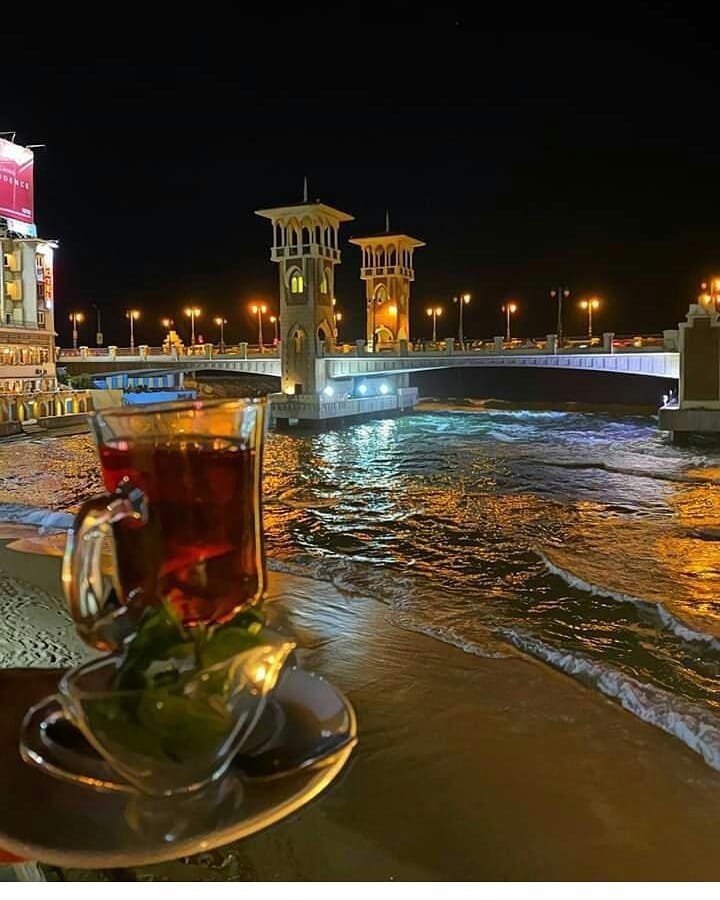
Find a table near the waterfront, order Egyptian tea or coffee, and watch the city unfold around you. In older neighborhoods, traditional cafés offer a glimpse of local social life, while newer establishments provide contemporary settings for relaxing between attractions.
You do not need an elaborate itinerary to appreciate Alexandria. Sometimes, an hour spent in a café, listening to the sounds of the street and watching the sea, can become one of the most memorable parts of your trip.
11. Discover the City’s Literary and Cultural Heritage
Alexandria has inspired writers, poets, historians, and artists for generations. Its multicultural past, cosmopolitan identity, and relationship with the Mediterranean have given it a distinctive place in Egyptian literature and cultural memory.
The Bibliotheca Alexandrina is a natural starting point, but the city’s older districts, historic architecture, and waterfront also offer inspiration for visitors interested in photography, writing, and the arts.
For a more meaningful visit, take time to learn about Alexandria’s Greek, Roman, Egyptian, and other cultural influences, which have helped shape its complex identity over the centuries.
12. Experience Alexandria After Sunset
As evening arrives, Alexandria takes on a different character.
The waterfront becomes a gathering place, restaurants fill with diners, and cafés offer comfortable places to spend time with friends or family. The sound of the waves and the sight of lights reflecting across the sea create a relaxed atmosphere that contrasts with the city’s busy daytime streets.
Enjoy a seafood dinner, take an evening stroll along an accessible section of the Corniche, or settle into a café with a view of the Mediterranean.
For couples, solo travelers, and families alike, Alexandria’s evenings offer a simple pleasure: experiencing a historic coastal city as it lives and breathes today.
The Best Time to Visit Alexandria
Alexandria has a Mediterranean climate, making it an attractive destination throughout much of the year.
- Spring (March–May): Pleasant temperatures and a good balance for sightseeing and outdoor activities.
- Summer (June–August): Popular with beachgoers and domestic holidaymakers, with warmer weather and busier coastal areas.
- Autumn (September–November): Often a comfortable time to explore the city, enjoy seafood, and walk along the waterfront.
- Winter (December–February): Cooler, sometimes rainy, and generally quieter, offering a different perspective on the city.
For a combination of comfortable sightseeing and coastal scenery, spring and autumn are excellent options. If swimming and beach time are priorities, summer may suit you better.
How Many Days Do You Need in Alexandria?
Two to three days is a good starting point for discovering Alexandria’s major attractions without rushing.
Day 1: History and Heritage
- Visit the Bibliotheca Alexandrina.
- Explore the Citadel of Qaitbay.
- Enjoy a seafood dinner by the Mediterranean.
Day 2: Ancient Alexandria
- Explore the Catacombs of Kom El Shoqafa.
- Visit Pompey’s Pillar.
- Discover the archaeological site of Kom El-Dikka.
- Spend the evening at a traditional café.
Day 3: Coastal Relaxation
- Visit Montaza Gardens.
- Enjoy a leisurely walk along the Corniche.
- Explore local markets or spend more time discovering the city’s cafés and neighborhoods.
Opening hours, admission requirements, and access arrangements can change, so check the latest details before visiting individual attractions.
How to Get to Alexandria
Alexandria is connected to Cairo by road and rail, making it a convenient addition to an Egyptian itinerary.
Travelers arriving internationally may find it practical to fly into Cairo and continue to Alexandria by train or car, depending on their schedule. The journey time varies with the route, traffic, and service selected.
If you are already exploring Cairo, Alexandria can be arranged as a day trip, although staying overnight is preferable if you want to enjoy the waterfront and experience the city without rushing.
Essential Travel Tips
- Bring comfortable walking shoes: Historic sites, markets, and waterfront areas involve plenty of walking.
- Pack for the season: Summer can be warm, while winter may bring cooler temperatures and rain.
- Check sea conditions: Coastal weather and swimming conditions can change, so follow local guidance.
- Carry cash: Smaller shops and cafés may prefer cash, even where larger establishments accept cards.
- Dress appropriately: Comfortable clothing that respects local customs is a practical choice when exploring the city.
- Plan transportation: Alexandria is spread out, so group attractions by area to reduce unnecessary travel.
- Leave room for discovery: Some of the city’s most enjoyable experiences happen between the major attractions.
Why Alexandria Belongs on Your Egypt Travel Itinerary
Alexandria offers something different from the pyramids of Giza or the monumental temples of Luxor. It invites you to explore Egypt through the Mediterranean, where ancient civilizations, coastal scenery, local food, and contemporary Egyptian life come together.
You can spend the morning discovering underground tombs, the afternoon walking beside the sea, and the evening enjoying freshly prepared seafood as the sun disappears over the horizon.
It is a city for curious travelers, history lovers, food enthusiasts, couples, families, and anyone who appreciates destinations with character.
Alexandria is more than a historic city. It is a feeling—the breeze of the Mediterranean, the echoes of ancient civilizations, the warmth of a traditional café, and the simple pleasure of watching the sea.
Make Alexandria part of your Egyptian adventure and discover a coastal destination where every street has a story and every visit offers a new perspective.
Explore more. Experience more. Discover Alexandria.